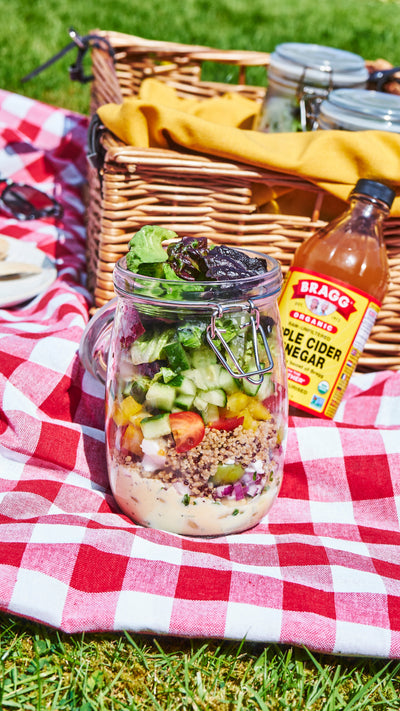
We’ve all done it—walked down the grocery aisle and grabbed the most convenient bottle on the shelf. But when it comes to apple cider vinegar (ACV), not all bottles are created equal.
While it might seem like any ACV will do, the truth is that quality can vary significantly. Choosing a premium, minimally processed apple cider vinegar can enhance flavour in your cooking while preserving the natural qualities that make ACV unique.
If you’ve ever wondered whether the bottle sitting in your pantry is the best option for salad dressings, marinades, or new recipes, you’re not alone. This guide breaks down the key differences between apple cider vinegars and explains how to choose the right one for your kitchen.
What Makes Apple Cider Vinegar Unique?
Apple cider vinegar is produced through a fermentation process that transforms apple juice into a tangy, slightly sweet liquid with a complex flavour profile. During fermentation, natural sugars are converted into acetic acid, the compound responsible for ACV’s distinctive taste and many of its culinary benefits.
Acetic acid contributes to several cooking functions:
Flavour Balancing
A splash of ACV can brighten both sweet and savory dishes, adding depth and complexity.
Tenderizing Proteins
When used in marinades, the acidity helps break down proteins in meat, making them more tender and flavourful.
Food Preservation
Because of its low pH, acetic acid slows the growth of spoilage-causing microbes, which is why vinegar is commonly used for pickling and preserving foods.
These characteristics all stem from the fermentation process. However, not every apple cider vinegar on store shelves undergoes the same method or maintains the same quality.
The Role of the “Mother”
One of the most recognizable features of high-quality apple cider vinegar is the presence of the “Mother.”
The “Mother” is the cloudy, stringy substance sometimes seen floating in unfiltered ACV. It forms naturally during fermentation and contains enzymes, beneficial bacteria, and organic acids.
Although some people are initially put off by its appearance, it’s actually a sign of a less processed vinegar.
Filtered ACVs appear clearer, but they often lack the flavour complexity found in raw, unfiltered varieties. For cooking with maximum flavour and versatility, look for labels that say:
- Raw
- Unfiltered
- With the “Mother”
Organic vs. Non-Organic ACV
Organic apple cider vinegar is made from apples grown without synthetic pesticides or fertilizers. For many cooks, this matters not only for environmental reasons but also for ingredient purity.
Organic ACV typically delivers a cleaner, more natural flavour because the apples used are grown under stricter agricultural standards.
While non-organic options are often more affordable, they may not provide the same ingredient transparency or flavour quality.
Why the Fermentation Process Matters
Traditional apple cider vinegar is made through natural fermentation. Yeast and bacteria convert the sugars in apple juice into alcohol, and then into acetic acid.
This slower process produces a vinegar with a richer flavour and natural complexity.
Some mass-produced brands accelerate production using shortcuts such as added sugars, artificial yeasts, or heavy pasteurization. While these methods reduce cost and production time, they often result in a flatter flavor profile.
When choosing ACV for cooking, look for brands that emphasize traditional fermentation methods and minimal processing.
Why Cheap Apple Cider Vinegar Often Falls Short
Budget apple cider vinegars may seem like a good deal, but they often sacrifice quality.
Many inexpensive brands are:
- Heavily filtered
- Pasteurized
- Made without the Mother
These processes remove much of the depth and character that make ACV useful in cooking. Some low-cost options may also be diluted, resulting in a weaker flavour that doesn’t stand out in recipes.
If you’re putting effort into preparing flavourful meals, using a higher-quality vinegar can make a noticeable difference.
What to Look for When Buying Apple Cider Vinegar
When choosing an ACV for cooking, keep these key qualities in mind.
1. The Presence of the “Mother”
Look for a cloudy appearance or labeling that indicates the vinegar is raw, unfiltered, and contains the Mother. This usually signals minimal processing and better flavour complexity.
2. Organic Ingredients
Organic ACV is made from apples grown without synthetic chemicals, which can contribute to cleaner flavour and better ingredient sourcing.
3. Traditional Fermentation
Brands that rely on natural fermentation methods tend to produce vinegar with deeper flavour and higher overall quality.
Types of Vinegar: A Quick Comparison
Different vinegars serve different culinary purposes.
Apple Cider Vinegar
Made from fermented apples; mildly sweet and tangy, making it extremely versatile.
Balsamic Vinegar
Dark, aged, and slightly sweet; commonly used for glazes and finishing dishes.
White Wine Vinegar
Light and crisp; ideal for vinaigrettes and delicate sauces.
Rice Vinegar
Subtly sweet and less acidic; commonly used in Asian cuisine.
Distilled White Vinegar
Sharp and neutral; frequently used for pickling and cleaning.
How to Use Apple Cider Vinegar in Cooking
One of ACV’s greatest strengths is its versatility. Here are a few ways to incorporate it into your cooking.
Salads and Dressings
Zesty Vinaigrettes
Combine ACV with olive oil, mustard, and herbs for a bright, balanced dressing.
Quick Pickles
ACV can quickly pickle vegetables like cucumbers, carrots, and radishes for a crisp, tangy snack.
Marinades
The acidity of ACV helps tenderize meats and vegetables while enhancing flavour in marinades.
Sauces
ACV works well in barbecue sauces and can add brightness to creamy sauces by balancing richness.
Soups and Stews
A small splash added at the end of cooking can lift and brighten the overall flavour of a dish.
Baking
ACV reacts with baking soda to help baked goods rise, creating lighter textures in cakes and breads.
Beyond Cooking
Apple cider vinegar is also widely used outside the kitchen.
Some people incorporate diluted ACV into drinks, while others use it in DIY hair rinses or skincare routines because of its acidity and cleansing properties.
Choosing the Right ACV
Not all apple cider vinegars are the same. Raw, unfiltered varieties made with traditional fermentation methods tend to deliver the best flavour and versatility in cooking.
Whether you’re making salad dressings, marinades, baked goods, or sauces, choosing a high-quality ACV can elevate the flavour of your dishes and bring out the best in your recipes.